Raccoon Removal in Cherry Hill & South Jersey
Hearing heavy footsteps, scratching, or thumping noises in your attic at night? ACP Wildlife Control Services provides professional raccoon removal in Cherry Hill, NJ, and throughout South Jersey. We help homeowners and businesses with raccoon trapping, attic inspections, wildlife exclusion, damage repairs, and cleanup.
Raccoons are strong, intelligent animals that can tear through vulnerable roof materials, damage soffits, and enter attics or chimneys looking for shelter. Once inside, they may damage insulation, contaminate building materials, and create openings that expose your home to additional wildlife or water damage. Our approach focuses on identifying the problem, safely removing the animals, and helping prevent them from returning.
Need Raccoon Removal in South Jersey?
Raccoons in your attic, chimney, or yard? Contact ACP Wildlife Control Services for professional raccoon inspections, trapping, exclusion, and wildlife damage repair in Cherry Hill and surrounding communities.
856-863-4168
Serving Cherry Hill, Camden County, Burlington County, Gloucester County, and surrounding South Jersey communities.
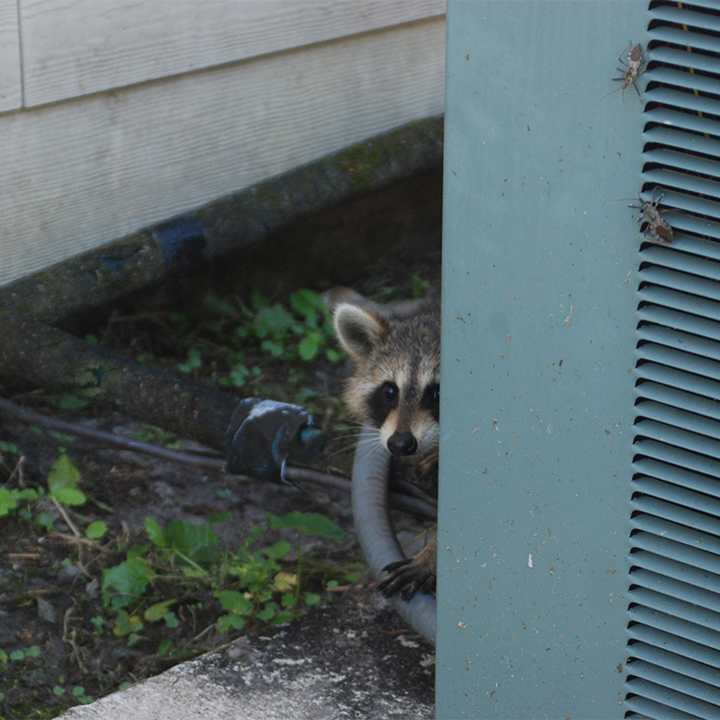
Professional Raccoon Trapping and Removal
Raccoons are primarily nocturnal animals that often become a problem when they find food or shelter around homes. They may enter attics, chimneys, crawl spaces, sheds, and other protected areas. Their strong claws and ability to manipulate building materials can make them particularly destructive when they find a vulnerable opening.
ACP Wildlife Control Services provides professional raccoon trapping and removal throughout South Jersey. The first step is identifying where the animals are living, how they are entering, and whether dependent young may be present.
Appropriate removal methods depend on the location of the animals, the condition of the building, and applicable New Jersey wildlife regulations. Once the raccoons have been removed, entry points can be addressed to help prevent future infestations.
For raccoon problems in Cherry Hill or surrounding communities, contact ACP Wildlife Control Services at 856-863-4168.
Signs You May Have Raccoons in Your Home
Raccoons can be difficult to detect during the day because they are usually more active at night. Homeowners may first notice unusual noises, damaged roof materials, or signs of animal activity around the exterior of the house.
- Heavy walking, thumping, or scratching noises in the attic at night.
- Damaged soffits, roof vents, fascia boards, or shingles.
- Large openings around roof intersections or chimney areas.
- Insulation that has been torn apart or pushed into nesting areas.
- Droppings or urine odors in attic spaces.
- Raccoons repeatedly climbing onto the roof or entering an opening.
- Disturbed trash containers, gardens, or outdoor feeding areas.
Other wildlife may create similar signs, so identifying the animal before beginning removal is important. Avoid entering confined spaces with raccoons or attempting to handle them yourself.
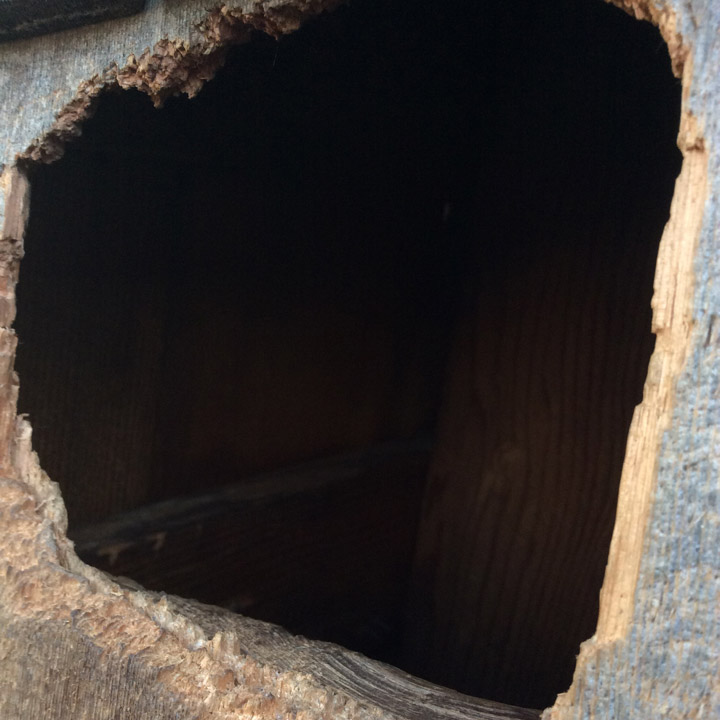
Raccoons in the Attic in South Jersey
Attics offer raccoons a warm, protected location to rest and raise their young. Female raccoons may establish dens inside attics during the spring, making careful inspection especially important during the breeding season.
Once inside, raccoons can tear apart insulation, damage ductwork, and contaminate attic materials with urine and droppings. Their size and strength allow them to create damage that may be more extensive than that caused by smaller wildlife.
Removing an adult female without identifying dependent young can leave baby raccoons trapped inside the structure. A professional inspection helps determine whether a den contains young and which removal approach is appropriate.
ACP Wildlife Control Services helps property owners address raccoon activity in attics, identify access points, and evaluate cleanup or repair needs after removal.
Hearing heavy footsteps or scratching in your attic at night? Contact ACP Wildlife Control Services for help identifying and removing unwanted raccoons.
Raccoon Droppings, Attic Cleanup, and Health Concerns
Raccoon droppings can create serious sanitation concerns, particularly when animals repeatedly use an attic or another enclosed space. Raccoon feces may contain roundworm eggs, which can present a health risk if contaminated material is handled improperly.
Homeowners should avoid sweeping, vacuuming, or disturbing suspected raccoon droppings without appropriate precautions. Ordinary household cleaning methods may not be sufficient for contaminated attic materials.
ACP Wildlife Control Services provides wildlife cleanup and damage repair services. Depending on the extent of contamination, attic work may involve removing affected insulation, addressing damaged materials, and restoring areas impacted by animal activity.
For additional information about raccoon roundworm prevention, visit the Centers for Disease Control and Prevention.
Raccoon Exclusion and Wildlife Proofing
Removing a raccoon does not automatically prevent another animal from entering the same building. If damaged openings remain accessible, other raccoons or wildlife may use them for shelter.
ACP Wildlife Control Services provides wildlife exclusion and animal proofing services designed to help protect vulnerable areas of residential and commercial properties.
Common entry points include damaged soffits, loose fascia boards, roof vents, chimney openings, and areas where roofing materials have been pulled apart. Exclusion work may involve repairing damaged materials, installing appropriate barriers, and securing vulnerable openings.
Before permanent sealing begins, the structure should be inspected to confirm that no raccoons or dependent young remain inside.
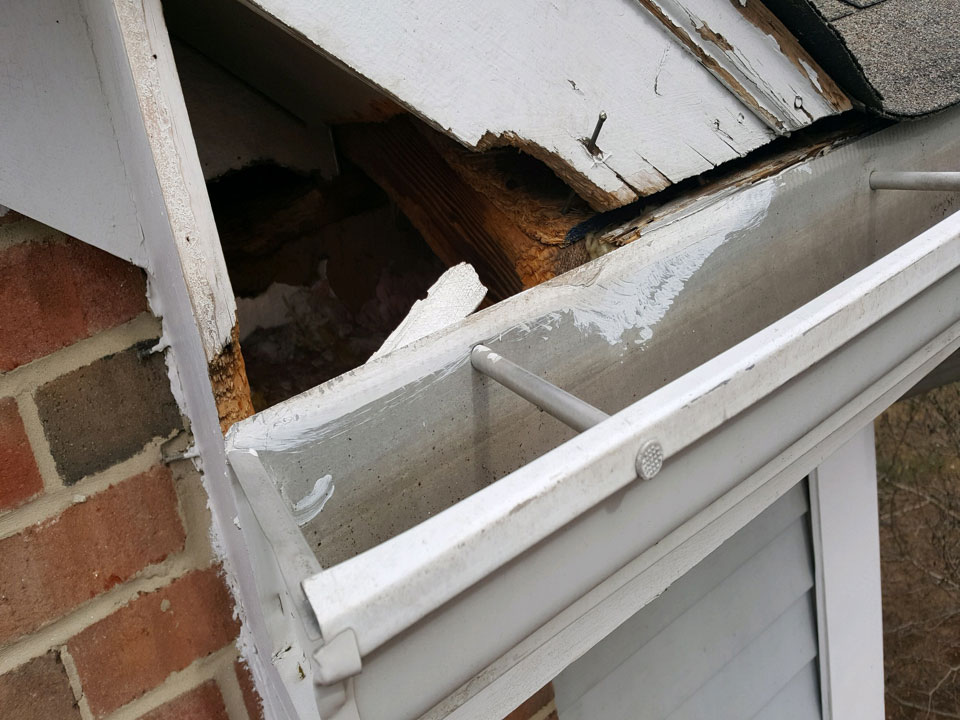
Raccoon Roof Damage and Entry-Point Repairs
Raccoons are capable climbers and frequently access buildings through trees, fences, gutters, and roof edges. Once on the roof, they may exploit weak areas around soffits, vents, shingles, or fascia boards.
Damaged roofing materials can allow rainwater to enter the building, creating additional problems beyond the wildlife infestation. Torn shingles, damaged wood, and open roof gaps should be evaluated as part of the repair process.
ACP Wildlife Control Services offers wildlife damage repair to address areas affected by nuisance animals. Appropriate repairs may include securing openings, replacing damaged exterior materials, or installing protective barriers.
Repairing the access point after removal is an important step toward preventing another raccoon from using the same opening.
Raccoons in the Yard, Garden, or Around Your Home
Raccoons do not have to enter your attic to become a nuisance. They may knock over trash containers, dig through gardens, damage lawns while searching for food, or take advantage of pet food left outdoors.
Raccoons are opportunistic feeders and are attracted to accessible garbage, bird feeders, outdoor pet food, and other food sources. Reducing these attractants can help discourage repeated visits.
- Use trash containers with secure lids.
- Bring pet food and water bowls indoors at night.
- Remove fallen fruit and other accessible food sources.
- Inspect sheds, decks, and crawl spaces for potential denning locations.
- Keep a safe distance from raccoons, especially females with young.
If raccoons continue causing problems around your property, contact ACP Wildlife Control Services to discuss inspection and removal options appropriate to your situation.
Our Raccoon Removal Process
Every raccoon problem is different. The location of the animals, the condition of the building, and the possibility of dependent young all influence the removal process.
- Property inspection: Identify raccoon activity, denning areas, structural damage, and possible entry points.
- Removal planning: Determine suitable trapping or removal methods while checking for dependent young.
- Raccoon removal: Address the animals using methods appropriate to the situation and applicable New Jersey wildlife regulations.
- Entry-point repairs: Secure damaged openings after confirming that animals are no longer inside.
- Cleanup and restoration: Evaluate contaminated insulation, droppings, damaged materials, and additional repair needs.
This process addresses the immediate wildlife problem while helping reduce opportunities for future infestations.
Why Choose ACP Wildlife Control Services?
ACP Wildlife Control Services provides wildlife removal, trapping, exclusion, and property protection services throughout South Jersey. The company focuses on identifying animal entry points and addressing the damage that nuisance wildlife can leave behind.
Raccoon control often requires more than trapping a single animal. Attic inspections, identifying dependent young, repairing structural openings, and addressing contamination may all be part of resolving the problem.
For more information about the company, visit the ACP Wildlife Control Services homepage.
Raccoon Removal in Cherry Hill and Surrounding South Jersey Communities
ACP Wildlife Control Services helps homeowners and businesses with raccoon problems throughout South Jersey, including Cherry Hill and communities in Camden County, Burlington County, and Gloucester County.
Service areas include Camden, Lindenwold, Springdale, Cinnaminson, Maple Shade, Medford, Moorestown, Mount Laurel, Burlington, Willingboro, Glassboro, and Williamstown.
Whether you have raccoons in the attic, a damaged roofline, or animals entering a shed or crawl space, contact ACP Wildlife Control Services to discuss your situation and confirm service availability.
View our South Jersey wildlife control service locations for more information.
Frequently Asked Questions About Raccoon Removal
How do I know if raccoons are in my attic?
Common signs include heavy walking or thumping noises at night, damaged soffits or roof vents, disturbed insulation, and large openings around the roofline. An inspection can help confirm whether raccoons are responsible.
Can raccoons damage my roof?
Yes. Raccoons may pull apart vulnerable shingles, soffits, vents, and wood materials to access attics. These openings can also allow water and other wildlife into the building.
Are raccoon droppings dangerous?
Raccoon feces can contain roundworm eggs that may pose a serious health risk. Avoid disturbing suspected droppings and seek appropriate professional guidance for contaminated areas.
What happens if baby raccoons are in the attic?
Dependent young must be considered during removal planning. Removing the mother without addressing her young can leave animals trapped inside the building. A professional inspection helps determine the appropriate approach.
Will raccoons return after removal?
Raccoons may return if openings remain accessible or attractants are present. Repairing damaged entry points and reducing food sources around the property can help discourage future activity.
Does raccoon removal include attic cleanup?
Animal removal and attic cleanup are separate services. Depending on the extent of contamination, additional cleaning, insulation replacement, or repairs may be recommended.
How much does raccoon removal cost in South Jersey?
Pricing depends on where the animals are located, the number of access points, trapping requirements, and whether cleanup or repairs are needed. Contact ACP Wildlife Control Services to discuss an inspection and the scope of the work.
Contact ACP Wildlife Control Services for Raccoon Removal
Don’t let raccoons continue damaging your attic, roof, or insulation. Contact ACP Wildlife Control Services for professional raccoon trapping, removal, exclusion, and wildlife damage repair in Cherry Hill and throughout South Jersey.
ACP Wildlife Control Services
South Jersey Raccoon Removal & Wildlife Exclusion
Phone: 856-863-4168
www.acpwildlifecontrol.com